Flood-Damaged Used Cars: 7 Warning Signs to Check Before You Buy in Delaware
Late summer is a popular time to shop for a used vehicle, but it is also when Delaware buyers should pay closer attention to flood damage. Vehicles affected by hurricanes, flash floods, and coastal storms can travel hundreds of miles before appearing for sale in another state.
A flood-damaged car may look clean, run well during a short test drive, and come with a convincing sales pitch. The trouble often appears later as electrical failures, rust, mold, drivability problems, or expensive computer and wiring repairs.
We are not saying every vehicle from a rainy area is a bad purchase. We are saying that a careful inspection, a vehicle history check, and professional diagnostics are smart steps before you hand over your money.
Here are seven warning signs to check when buying a used car in Delaware.
1. A Musty Smell: or an Overpowering Air Freshener
Your first inspection tool is your nose.
Open the doors and sit inside the vehicle with the windows closed. A musty, damp, or moldy odor may indicate that water soaked the carpet, padding, seats, or interior trim. Flood-damaged vehicles are sometimes cleaned and dried quickly, but moisture can remain underneath surfaces that are difficult to remove.
Pay attention to strong air fresheners and heavy cleaning-product smells, too. A seller may simply enjoy a scented interior, but an unusually powerful fragrance can be used to cover mildew or damp odors.
Check the smell in several areas:
- Under the floor mats
- Inside the trunk
- Around the spare-tire well
- Under the seats
- Near the dashboard and glove box
A clean-smelling interior does not prove the car is safe, but a musty smell should make you slow down and investigate further.
2. Water Lines, Stains, or Silt in Hidden Areas
Floodwater often leaves behind a visible line. Look closely at door panels, seat rails, trunk trim, and the lower edges of the dashboard for a faint line or discoloration that does not match the rest of the interior.
Fine dirt, sand, or silt is another important clue. Floodwater can carry sediment into places that normal road spray would not reach. Use a flashlight to inspect areas such as:
- Beneath the carpet edges
- Inside the trunk and spare-tire well
- Under the seats
- Around the seat tracks
- Behind removable interior panels
- Under the dashboard
- Inside the glove box
- Around the engine air box
Do not be afraid to ask the seller whether you may lift the mats or inspect the trunk. A reasonable seller should understand why you want to examine the vehicle carefully.
3. Rust in Places That Normally Stay Dry
Some surface rust underneath an older vehicle is normal, especially in areas exposed to Delaware road salt and moisture. Rust in unusual locations is more concerning.
Look for corrosion around the seat mounts, door hinges, pedal brackets, dashboard fasteners, wiring connectors, and areas beneath the carpet. These parts are not normally exposed to standing water, so rust in those locations may suggest previous flooding.
Check the lower door frames and weatherstripping, as well as the underside of the vehicle. Corrosion may also appear around brake components, fuel lines, exhaust connections, and suspension hardware.
Flood damage is not always obvious right away. Water can begin corroding metal contacts and connectors long after the vehicle has been cleaned. That is one reason professional vehicle diagnostics and maintenance matter before purchase.
4. Mismatched or Recently Replaced Interior Parts
A newer-looking carpet in an older vehicle is not automatically proof of flood damage. Interior parts may have been replaced because of normal wear, stains, pets, smoking, or an accident.
Still, mismatched materials deserve a closer look. Compare the carpet, seat fabric, door panels, trim pieces, and fasteners from one side of the vehicle to the other. Look for:
- Carpet that does not match the upholstery
- Seats that appear newer than the rest of the interior
- Missing or mismatched screws
- Trim panels that do not sit correctly
- New-looking floor insulation in an older vehicle
- Dampness or discoloration beneath replacement parts
A flood-damaged car may receive a quick interior makeover before being listed for sale. Replacement parts can hide the original evidence, but they do not necessarily fix damaged wiring, control modules, connectors, or sensors underneath.
5. Silt or Water Damage Under the Hood
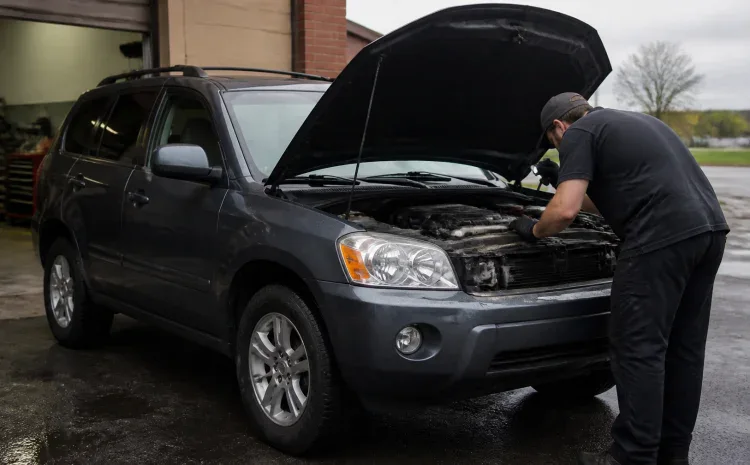
Open the hood and inspect the engine bay in good light. Look for mud, dirt, or silt around the radiator, air box, battery tray, wiring, and other areas where floodwater may have settled.
The engine air filter deserves special attention. A wet, stained, distorted, or unusually dirty filter may indicate that water entered the intake system. Also inspect for a high-water mark on the radiator, engine components, or inner fenders.
Check fluid levels and appearance, but do not rely on fluid inspection alone. Water contamination may not always be obvious from a quick look. A professional can inspect engine oil, transmission fluid, differential fluid, and other systems more carefully.
If a seller refuses to let you see under the hood or becomes defensive about a basic inspection, consider that a warning sign by itself.

6. Electrical Gremlins During the Test Drive
Electrical problems are among the most frustrating results of flood damage. The vehicle may start and drive normally while smaller issues begin to appear one by one.
Before buying, test every electrical feature you can:
- Power windows and door locks
- Exterior lights and turn signals
- Interior lights
- Heated seats and mirrors, if equipped
- Radio and infotainment functions
- Backup camera
- Climate-control blower and air conditioning
- Windshield wipers and washers
- Dashboard warning lights
Watch for flickering lights, intermittent accessories, unexplained warning messages, or controls that work only after repeated attempts. Check whether the airbag, ABS, check-engine, and other warning lights illuminate briefly when the key is turned on and then go out after the engine starts. A warning light that never comes on may have been disabled or covered up.
Electrical corrosion can create problems months after a flood. Wiring connectors and modules may continue deteriorating even when the car seems fine on the day you inspect it.
7. Salvage, Flood, or Unclear Title History
Always obtain the vehicle identification number, or VIN, before making an offer. Use it to check the vehicle’s history through reputable sources.
The National Highway Traffic Safety Administration’s flood-damaged vehicle guidance recommends checking a vehicle’s history and looking for signs of water damage. You can also use the National Motor Vehicle Title Information System to review title information, odometer readings, and potential brands reported by participating states.
A title marked “flood,” “salvage,” or “rebuilt” deserves serious attention. “Salvage” does not always mean flood damage: it can result from a major collision or another total-loss claim: but it tells you the vehicle experienced significant damage at some point.
You can also check the VIN through the National Insurance Crime Bureau’s VINCheck tool. Keep in mind that no history report catches everything. Vehicles can be moved between states, records may be incomplete, and title washing can obscure a vehicle’s past.
Ask to see the physical title and compare the VIN on the document with the VIN on the dashboard and door-jamb label. If the seller cannot explain a title brand, ownership gap, out-of-state history, or inconsistent mileage, do not ignore it.
A Pre-Purchase Inspection Is Your Best Safety Net
A careful buyer’s inspection is useful, but it cannot replace professional testing. Before you buy, arrange an independent pre-purchase inspection with a qualified repair shop: ideally one that is not connected to the seller.
A proper evaluation may include:
- Scanning the vehicle’s computer systems for stored and pending trouble codes
- Checking electrical connectors, modules, and wiring for corrosion
- Inspecting the underbody, suspension, brakes, and exhaust
- Looking for evidence of water intrusion in the interior and engine bay
- Reviewing fluid condition
- Checking warning lights and system operation
- Evaluating the vehicle’s overall mechanical condition
Professional diagnostics cannot reveal every hidden problem, and no inspection can guarantee a used vehicle will never need repairs. It can, however, identify warning signs that are easy to miss during a quick test drive.
If you are shopping for a daily driver, truck, or classic vehicle around Edgemoor, our team at Ed’s Auto Repair can help you make a more informed decision. We provide auto repair and diagnostic services, along with engine and transmission work for all makes and models.
Take Your Time Before You Buy
A clean interior and a smooth test drive do not tell the whole story. Musty smells, hidden silt, unusual rust, mismatched interior parts, electrical problems, and title-history issues can all point to past flood exposure.
During Delaware’s late-summer storm and hurricane season, take extra care with vehicles that recently came from flood-affected areas. Check the VIN, inspect the vehicle in daylight, and insist on an independent evaluation before signing anything.
If you are considering a used car near Edgemoor, DE, bring it to a trusted mechanic before you buy. Contact Ed’s Auto Repair to discuss vehicle diagnostics and maintenance for the car you are considering. A little time and professional guidance now can help protect your safety, budget, and peace of mind later.
